
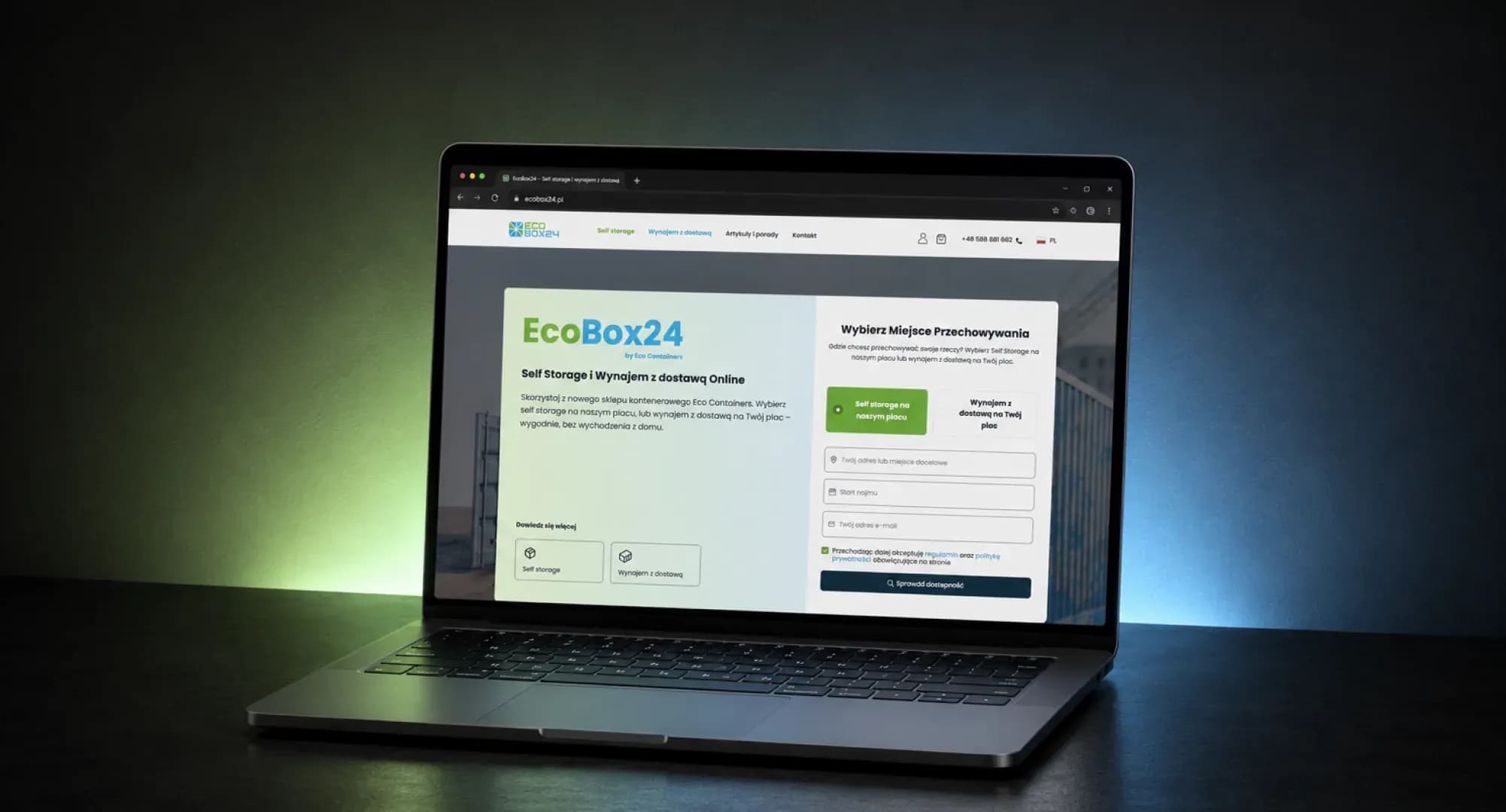
Wynajem magazynu w minuty zamiast dni - automatyzacja umów i płatności
Klient: Balticon S.A.
Branża: Logistyka / LogTech
W ostatnim czasie coraz więcej firm decyduje się na wykorzystanie technologii Headless CMS. Jest to spowodowane coraz większym zapotrzebowaniem na elastyczność i możliwość tworzenia aplikacji internetowych, które będą dostosowane do indywidualnych potrzeb użytkownika.

CEO
05 lip 2022
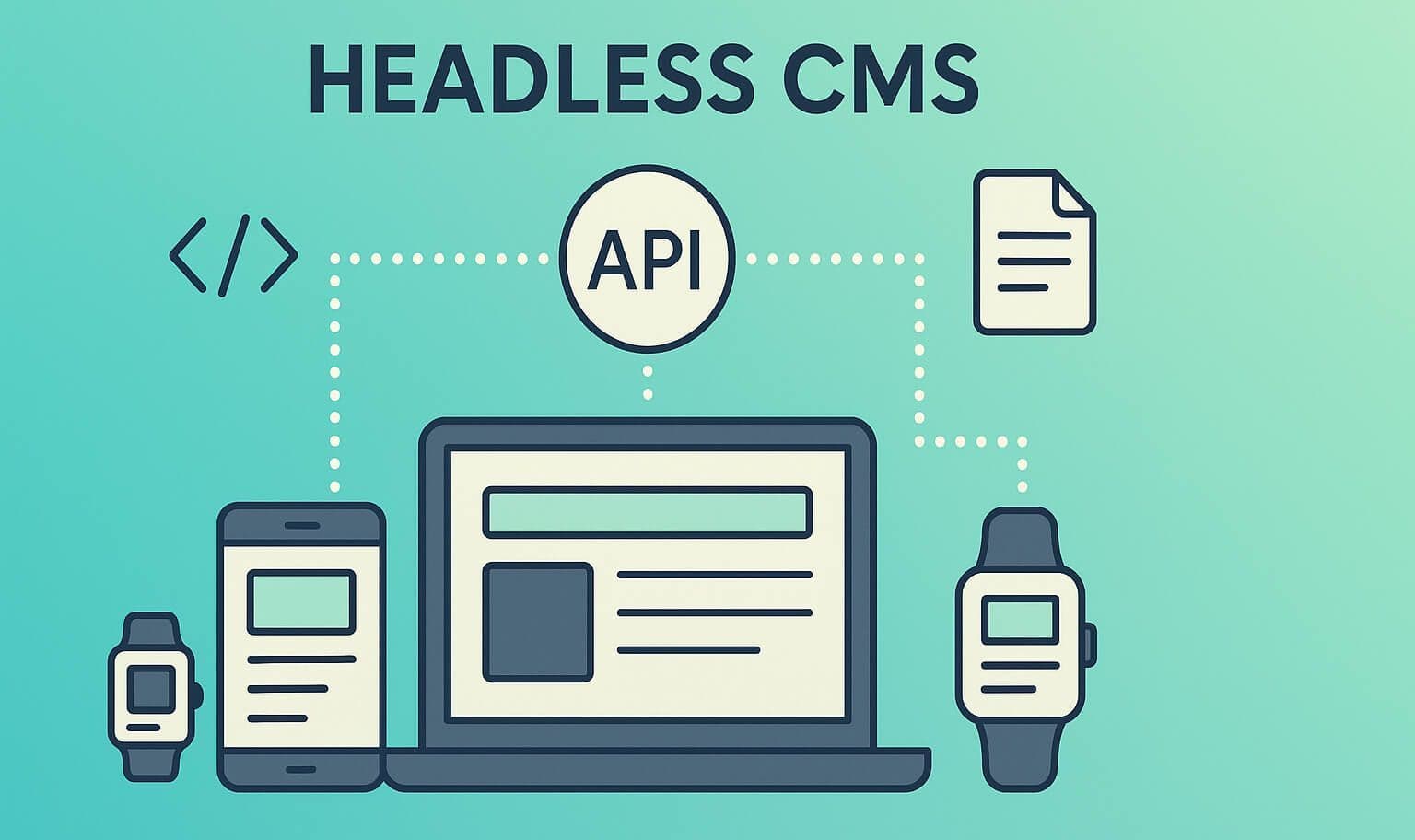
Headless CMS (z ang. „bezgłowy system zarządzania treścią”) to nowoczesne podejście do zarządzania treścią, w którym warstwa prezentacji – czyli wygląd strony lub aplikacji – jest oddzielona od warstwy przechowywania i zarządzania treścią. W praktyce oznacza to, że treści wprowadzane przez użytkowników są przechowywane w jednym centralnym miejscu, a następnie mogą być udostępniane do dowolnych kanałów: stron internetowych, aplikacji mobilnych, sklepów e-commerce, systemów digital signage czy nawet urządzeń IoT. Dzięki temu Headless CMS daje dużą elastyczność w tworzeniu i ponownym wykorzystywaniu treści, niezależnie od technologii frontendowej.
Klient: Balticon S.A.
Branża: Logistyka / LogTech
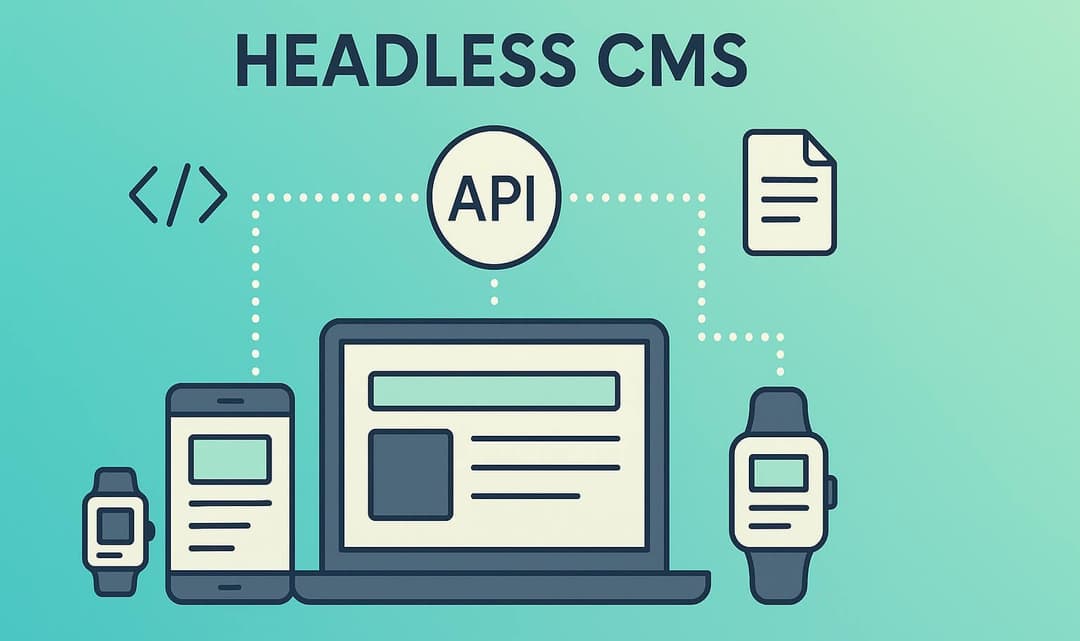
Tradycyjne CMS-y, takie jak WordPress czy Joomla, łączą w sobie dwie warstwy – przechowywanie treści i ich prezentację w formie strony internetowej. Headless CMS natomiast działa inaczej: pełni rolę „zaplecza” do zarządzania treścią i udostępnia ją poprzez API (najczęściej REST lub GraphQL). Dzięki temu frontend, czyli „głowa” systemu, może być zbudowany w dowolnej technologii – React, Vue, Angular czy nawet natywnej aplikacji mobilnej. Programiści pobierają treści z CMS-a przez API i prezentują je użytkownikom w wybranej formie. Takie podejście sprawia, że projektanci i deweloperzy mają pełną swobodę w tworzeniu unikalnych interfejsów, a jednocześnie treści pozostają centralnie zarządzane i łatwe do aktualizacji.
Wdrożenie Headless CMS niesie ze sobą wiele zalet, które sprawiają, że to rozwiązanie staje się coraz bardziej popularne wśród firm i deweloperów. Najważniejsze korzyści to:
Headless CMS to rozwiązanie, które nie zawsze jest konieczne, ale w wielu przypadkach okazuje się ogromnym ułatwieniem. Warto rozważyć jego wdrożenie, gdy:
Oczywiście nie są to wszystkie dostępne na rynku rozwiązania, a rozwój tej technologii jest bardzo dynamiczny. Nieustannie pojawiają się nowi usługodawcy oferujący Headless CMSy w modelu Saas lub open source wspieranych przez wielotysięczne społeczności programistów.

Strapi to open-source’owy CMS, który zyskał ogromną popularność wśród programistów dzięki swojej elastyczności i pracy w środowisku Node.js. Najnowsza wersja, Strapi 5, wprowadziła szereg usprawnień - m.in. lepszy system kontroli uprawnień, natywne wsparcie dla edge computing i znacznie uproszczone zarządzanie bazami danych.
Całość działa w oparciu o JavaScript lub TypeScript, a konfiguracja projektu z React, Vue czy Angular nie sprawia żadnych trudności. Można korzystać z relacyjnych i nierelacyjnych baz danych, a także integrować z zewnętrznymi usługami typu S3, Cloudinary czy Firebase. Strapi to rozwiązanie chętnie wybierane zarówno do blogów, jak i dużych systemów e-commerce.

Sanity to headless CMS nowej generacji, który oferuje tzw. Content Lake – architekturę przechowywania danych umożliwiającą zaawansowane filtrowanie i strumieniowe dostarczanie treści do aplikacji. Wyróżnia się również możliwością pełnej customizacji panelu administracyjnego poprzez framework Sanity Studio (najnowsza wersja to Studio v3).
Dzięki swojej elastyczności Sanity pozwala tworzyć bardzo złożone struktury treści, z obsługą relacji, wersjonowaniem i dynamicznymi interfejsami użytkownika. Jest szczególnie ceniony w środowisku React/Next.js i wszędzie tam, gdzie istotna jest duża szybkość ładowania oraz spójność danych.

Ghost przeszedł transformację z prostego systemu blogowego do pełnoprawnego headless CMS z naciskiem na content publishing, newslettery i płatne subskrypcje. Napisany w Node.js, Ghost pozwala zarówno na wykorzystanie gotowego interfejsu front-end, jak i na pełne odseparowanie go w architekturze headless.
Ghost jest bardzo szybki, lekki i bezpieczny. Wspiera statyczne generatory stron, integruje się z wieloma narzędziami marketingowymi i automatyzacyjnymi, a dzięki rozbudowanej społeczności open-source zyskał olbrzymie wsparcie. Nadaje się idealnie dla twórców treści, którzy chcą zyskać kontrolę nad monetyzacją i dostarczaniem materiałów w różnych kanałach.

KeystoneJS to elastyczna platforma open-source, w której nacisk położony jest na elastyczność modeli danych i architekturę API-first. Wersja 6 przynosi znaczne zmiany – całość została napisana w TypeScript, z pełnym wsparciem dla GraphQL i modularnej rozbudowy projektu.
Keystone to narzędzie stworzone z myślą o złożonych projektach – nie tylko stronach internetowych, ale także aplikacjach mobilnych i systemach biznesowych. Posiada rozbudowany panel administracyjny, możliwość definiowania własnych interfejsów edycji i współpracuje z dowolnymi bazami danych, dzięki adapterom. Ceniony jest za przejrzysty kod i dobrą dokumentację.

Contentful to jeden z najbardziej rozbudowanych CMS-ów typu SaaS, który jest szeroko wykorzystywany przez duże firmy technologiczne i agencje marketingowe. Charakteryzuje się potężnym interfejsem administracyjnym, wsparciem dla workflow redakcyjnego i narzędziami do personalizacji treści.
Platforma oferuje zarówno REST, jak i GraphQL API, a dodatkowo w ostatnich latach została wzbogacona o narzędzia AI wspierające automatyczne tagowanie treści, generowanie opisów i analizę SEO. Choć Contentful jest drogim rozwiązaniem (plany komercyjne sięgają setek dolarów miesięcznie), to jest liderem pod względem stabilności, integracji i wsparcia biznesowego.

Hygraph to CMS oparty o GraphQL, który słynie z bardzo rozbudowanego interfejsu API oraz możliwości obsługi dynamicznych treści w aplikacjach webowych, mobilnych i multichannel. System ten świetnie sprawdza się w rozbudowanych projektach, gdzie liczy się kontrola nad strukturą danych oraz integracja z zewnętrznymi źródłami.
Hygraph oferuje również funkcje content federation, co oznacza, że może pobierać dane z wielu źródeł i udostępniać je w jednym zunifikowanym API. System pozwala też na definiowanie zależności, tłumaczeń oraz wersji treści, co czyni go dobrym wyborem dla międzynarodowych firm.

Prismic to CMS, który stawia na maksymalną elastyczność - zarówno dla deweloperów, jak i dla osób zarządzających treścią. Dzięki tzw. „Slices” – czyli komponentom treściowym - możliwe jest tworzenie powtarzalnych bloków, które redaktorzy mogą samodzielnie układać na stronie.
Jest to rozwiązanie bardzo dobrze dopasowane do architektury komponentowej (np. w React, Vue), a jego panel administracyjny jest prosty w obsłudze nawet dla mniej technicznych użytkowników. Prismic stawia na wysoką dostępność, obsługuje GraphQL i zapewnia szybki time-to-market.

Storyblok to CMS z wizualnym edytorem, który umożliwia redaktorom pracę bez konieczności znajomości kodu. System opiera się na koncepcji „bloków treści”, które można łączyć w różne układy - dzięki czemu nadaje się świetnie do dynamicznych stron internetowych, landing page’y i sklepów e-commerce.
Deweloperzy korzystają z API, natomiast zespół marketingowy może edytować układ treści „na żywo”, dzięki wbudowanemu edytorowi typu WYSIWYG. Storyblok to jedno z najbardziej przyjaznych użytkownikowi rozwiązań headless na rynku.

Payload CMS to headless CMS dla programistów, którzy potrzebują maksymalnej kontroli. Całość działa w Node.js, w pełni wykorzystuje TypeScript i pozwala na dostosowanie niemal każdego elementu backendu - od modeli danych po logikę autoryzacji i kontrolę wersji.
Payload idealnie nadaje się do projektów, które mają niestandardowe wymagania - od aplikacji B2B, przez portale treściowe, po customowe systemy e-commerce. Jest self-hosted, co daje pełną kontrolę nad danymi i infrastrukturą, a jednocześnie posiada intuicyjny panel admina.

Directus to platforma, która działa bezpośrednio nad bazą danych (np. MySQL, PostgreSQL), tworząc interfejs API i panel administracyjny automatycznie na podstawie istniejącej struktury danych. To doskonałe rozwiązanie dla zespołów, które potrzebują elastyczności i nie chcą tracić czasu na budowanie własnego backendu.
System wspiera REST i GraphQL, posiada rozbudowany system uprawnień, dashboardy, edytory danych i wiele opcji dostosowania do konkretnych procesów biznesowych. Directus znajduje zastosowanie zarówno w startupach, jak i w dużych korporacjach budujących własne platformy danych.
Decydując się na wykorzystanie technologi headless CMS w swoim projekcie na pewno zyskasz na wielu polach:
W przypadku najpopularniejszych headlessów uzyskujesz dostęp do wsparcia ze strony wielotysięcznych społeczności programistów i setek case study z działających projektów.
Oczywiście każdy z headless CMSów ma też swoje wady. Jedne ograniczają programistę pod kątem zewnętrznych technologi, a inne są po prostu drogie. Jednak najważniejszą wadą CMS headlessów jest według mnie uzależnianie się w jakiś sposób od usługodawcy. Szczególnie w przypadku aplikacji w modelu Saas warto mieć gotową statyczną wersję strony. Istnieje możliwość wycofania się dostawcy usługi z rynku, co będzie się wiązało z przerwaniem działania również Waszego projektu. Część firm tworzących headless CMSy to typowe start-upy, więc tym bardziej należy o tym pamiętać.
FAQ
Headless CMS to system zarządzania treścią, w którym warstwa przechowywania i zarządzania jest oddzielona od warstwy prezentacji. W przeciwieństwie do tradycyjnych CMS jak WordPress czy Joomla, headless nie renderuje stron sam — zamiast tego udostępnia treści przez API (REST lub GraphQL), a front można zbudować w dowolnej technologii: React, Vue, Angular, aplikacji mobilnej czy nawet ekranie digital signage. Treść powstaje raz, publikuje się ją do wielu kanałów.
Treści przechowywane są centralnie w panelu headless CMS, a frontend pobiera je przez API — najczęściej REST lub GraphQL. Deweloper pyta CMS o konkretną treść (np. wpis blogowy o sluga X), otrzymuje dane w JSON i renderuje je w wybranym frameworku. Dzięki temu ten sam zasób treści zasila stronę www, aplikację mobilną, newsletter czy IoT bez duplikowania pracy redakcyjnej. Brak renderowania po stronie CMS pozwala zoptymalizować front pod kątem szybkości i SEO.
Strapi (open source, Node.js) to wszechstronny wybór dla blogów i e-commerce — najnowsza wersja Strapi 5 ma natywne wsparcie dla edge computing i uproszczone zarządzanie bazami. Sanity wyróżnia się architekturą Content Lake i pełną customizacją panelu przez Sanity Studio v3 — najlepszy dla złożonych struktur treści w React/Next.js. Ghost skupia się na content publishing, newsletterach i subskrypcjach płatnych — idealny dla wydawców i twórców z monetyzacją. Wybór zależy od skali projektu i modelu biznesowego.
Headless CMS sprawdza się lepiej w projektach wielokanałowych (strona + aplikacja mobilna + IoT), gdy zespół frontendowy chce korzystać z nowoczesnych frameworków (React, Next.js, Vue) zamiast szablonów PHP, oraz przy wysokich wymaganiach wydajnościowych i bezpieczeństwa. WordPress wciąż wygrywa przy prostych blogach, stronach wizytówkowych i scenariuszach, gdzie kluczowa jest gotowa biblioteka pluginów i niski próg wejścia dla edytorów bez zaplecza programistycznego.
Największą wadą jest zależność od dostawcy — szczególnie w modelu SaaS, gdzie wycofanie się usługodawcy z rynku może wstrzymać projekt. Niektóre rozwiązania są kosztowne, a inne ograniczają wybór technologii frontendowej. Headless wymaga też większego zaangażowania zespołu deweloperskiego niż gotowy WordPress — sama edycja treści jest prosta, ale początkowa konfiguracja, integracje i utrzymanie API wymagają umiejętności programistycznych. Dla bardzo prostych projektów może być nadmiarem.
Tak — oddzielenie warstwy treści od warstwy prezentacji pozwala zoptymalizować front niezależnie. Można korzystać z static-site generation (SSG) czy server-side rendering (SSR), zwracając gotowe HTML klientowi praktycznie natychmiast. Brak typowych dla WordPress wtyczek obciążających każdą stronę dodatkowymi zapytaniami do bazy. W praktyce projekty na Next.js + headless CMS regularnie osiągają lepsze wyniki Core Web Vitals niż klasyczne instalacje WordPress, co przekłada się na SEO i konwersję.
Generalnie tak. Brak bezpośredniego połączenia między frontendem a panelem administracyjnym ogranicza powierzchnię ataku — większość znanych luk WordPressa dotyczy pluginów i motywów, których w headless nie ma. Panel admina można dodatkowo schować za VPN-em lub IP whitelist. Sama treść jest serwowana przez API, więc atakujący widzi tylko frontend bez dostępu do CMS-a. Ryzyko nie znika całkowicie (API też wymaga zabezpieczeń), ale poprzeczka jest wyraźnie wyższa.
Blog
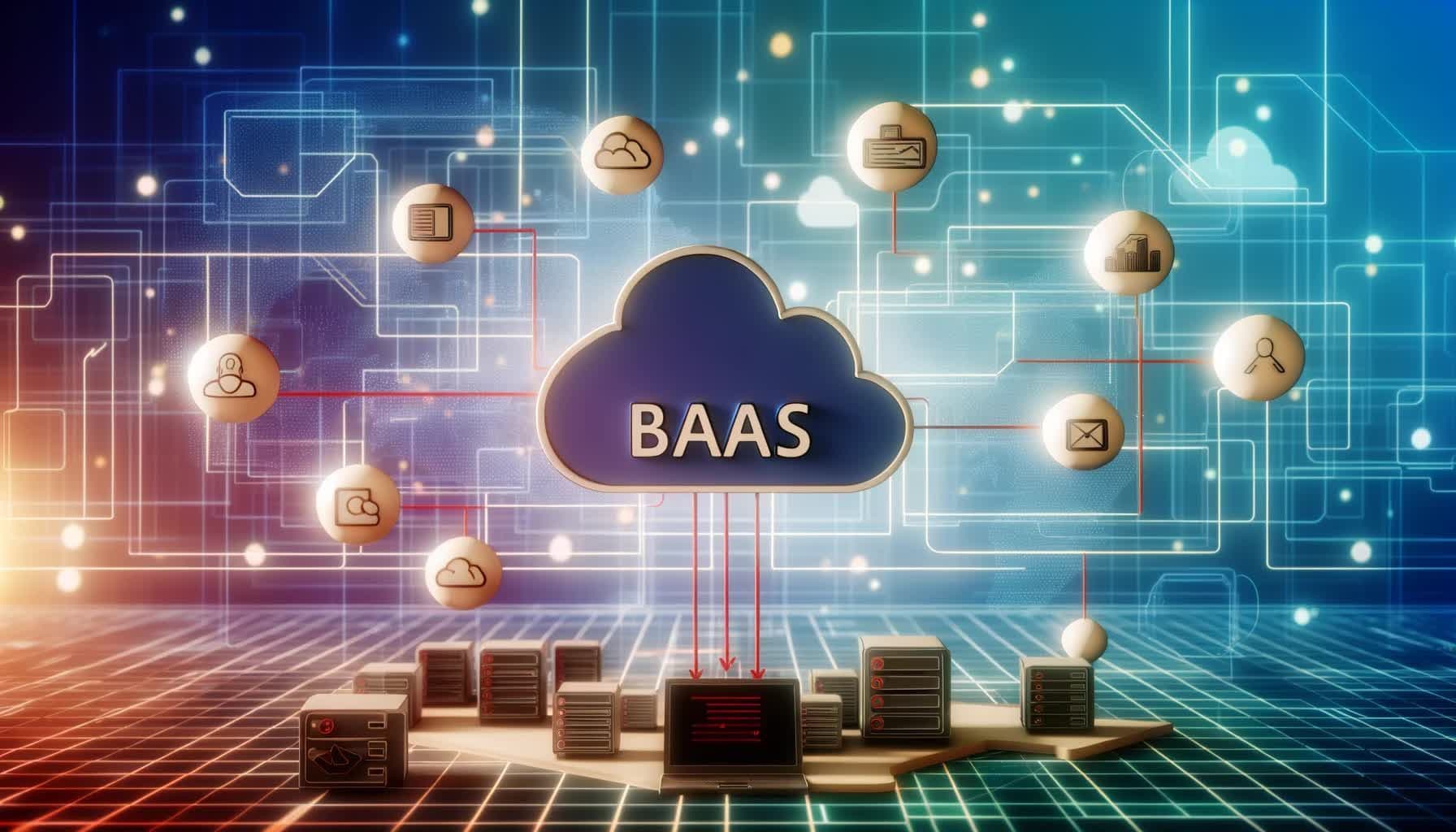
Backend-as-a-Service, czyli BaaS, to model usługowy zdobywający powoli coraz większe uznanie w świecie IT. Dlaczego? Ponieważ pozwala na szybszą i tańszą realizację projektów związanych z tworzeniem aplikacji webowych i mobilnych. W tym artykule przyjrzymy się definicji BaaS oraz kluczowym korzyściom wynikającym z jego zastosowania.
Architektura mikroserwisowa staje się nowym standardem w budowie i zarządzaniu aplikacjami. Pozwalając na podzielenie całego systemu na mniejsze, niezależne serwisy, ułatwia naszą pracę, podnosi wydajność i skalowalność. Czy to oznacza, że mikroserwisy są przyszłością IT? Przyjrzyjmy się bliżej tej koncepcji.
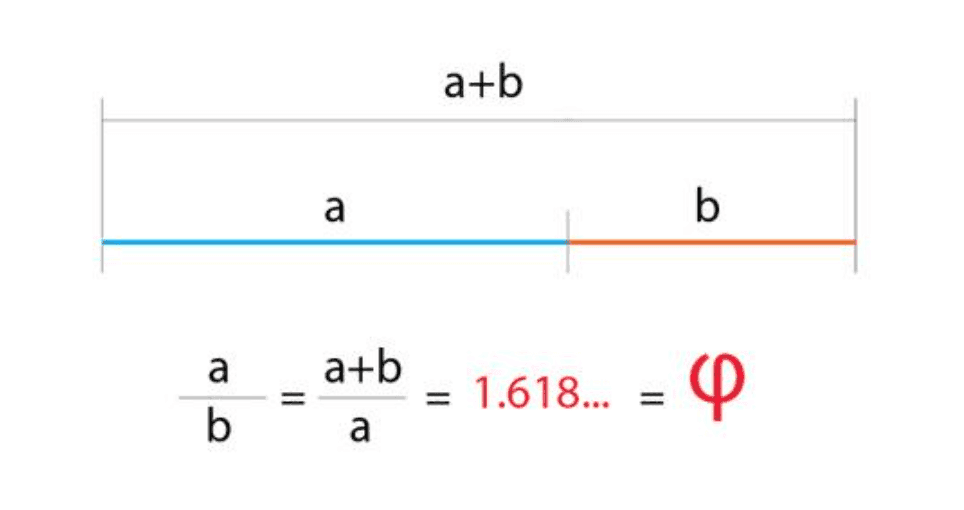
Ciąg Fibonacciego to ciąg liczb naturalnych, który zaczyna się od 0 i 1, a każda kolejna liczba jest sumą dwóch poprzednich. Ciąg ten został opisany przez włoskiego matematyka Leonardo Fibonacciego w XII wieku.
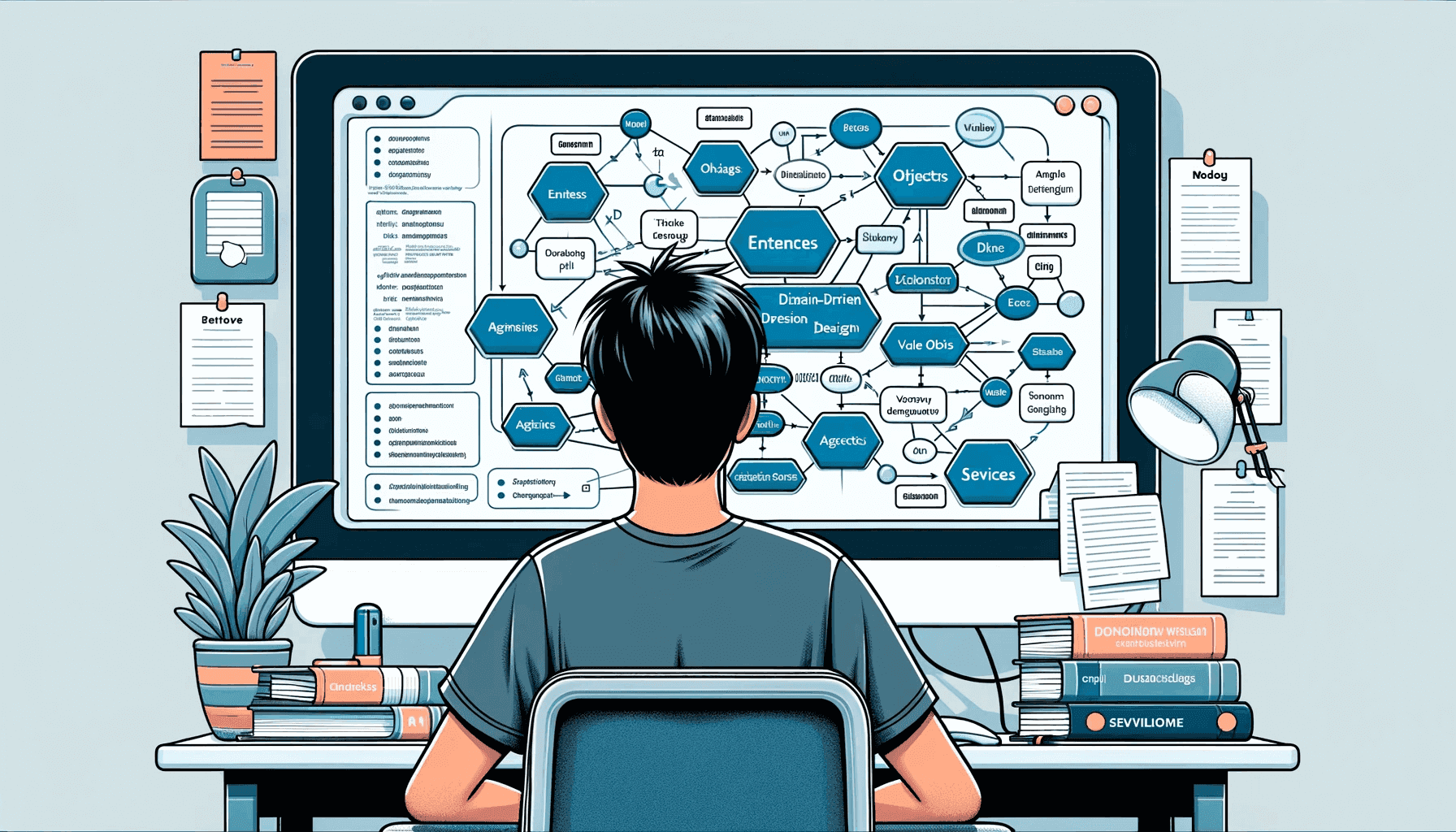
Domain-Driven Design (DDD) jest podejściem stworzonym, aby radzić sobie z najbardziej skomplikowanymi aspektami tworzenia gier, aplikacji czy narzędzi biznesowych. Skupiając się na głównych biznesowych czynnikach modelu projektu, pomaga twórcom oprogramowania zrozumieć, ulepszyć i tłumaczyć złożone scenariusze. W tym artykule, na praktycznych przykładach, pokażemy jak skutecznie wprowadzić ten proces w życie.
W artykule omówię pięć zasad SOLID w programowaniu obiektowym, które są fundamentem dla tworzenia czystego, elastycznego i łatwego do utrzymania kodu. Zasady SOLID, tj. Single Responsibility Principle, Open-Closed Principle, Liskov Substitution Principle, Interface Segregation Principle i Dependency Inversion Principle, pozwalają na projektowanie obiektów i klas w sposób modułowy i zgodny z zasadami dobrego projektowania. Czytaj dalej, aby dowiedzieć się więcej o tych zasadach i jak ich…
MVP, czyli Minimum Viable Product, to pojęcie, które staje się coraz bardziej popularne w branży IT. Oznacza ono najprostszą i najbardziej podstawową wersję produktu, która jest gotowa do udostępnienia na rynku. MVP jest szczególnie ważne, ponieważ pozwala na szybkie i efektywne sprawdzenie pomysłu i uzyskanie feedbacku od potencjalnych klientów.