
One intuitive content platform and website
Client: ROMAY AG
Industry: Industrial Manufacturing / Industry 4.0
We build custom systems for manufacturers and automation integrators. We connect data from the shop floor, machines and ERP systems, and build production dashboards, reporting and tools that make everyday work in production, the warehouse and maintenance easier. We also design product catalogs and B2B websites for manufacturers who want to bring order to their communication with customers and distributors.
Our clients in manufacturing

In many plants, the data already exists — in machines, the ERP, spreadsheets and operator reports. The problem starts when it's scattered and hard to use for decision-making. We build IT systems for manufacturing that bring this information together in one place. Operators see current orders, production managers can respond to downtime faster, and management gets up-to-date reports without manually combining data from several sources.
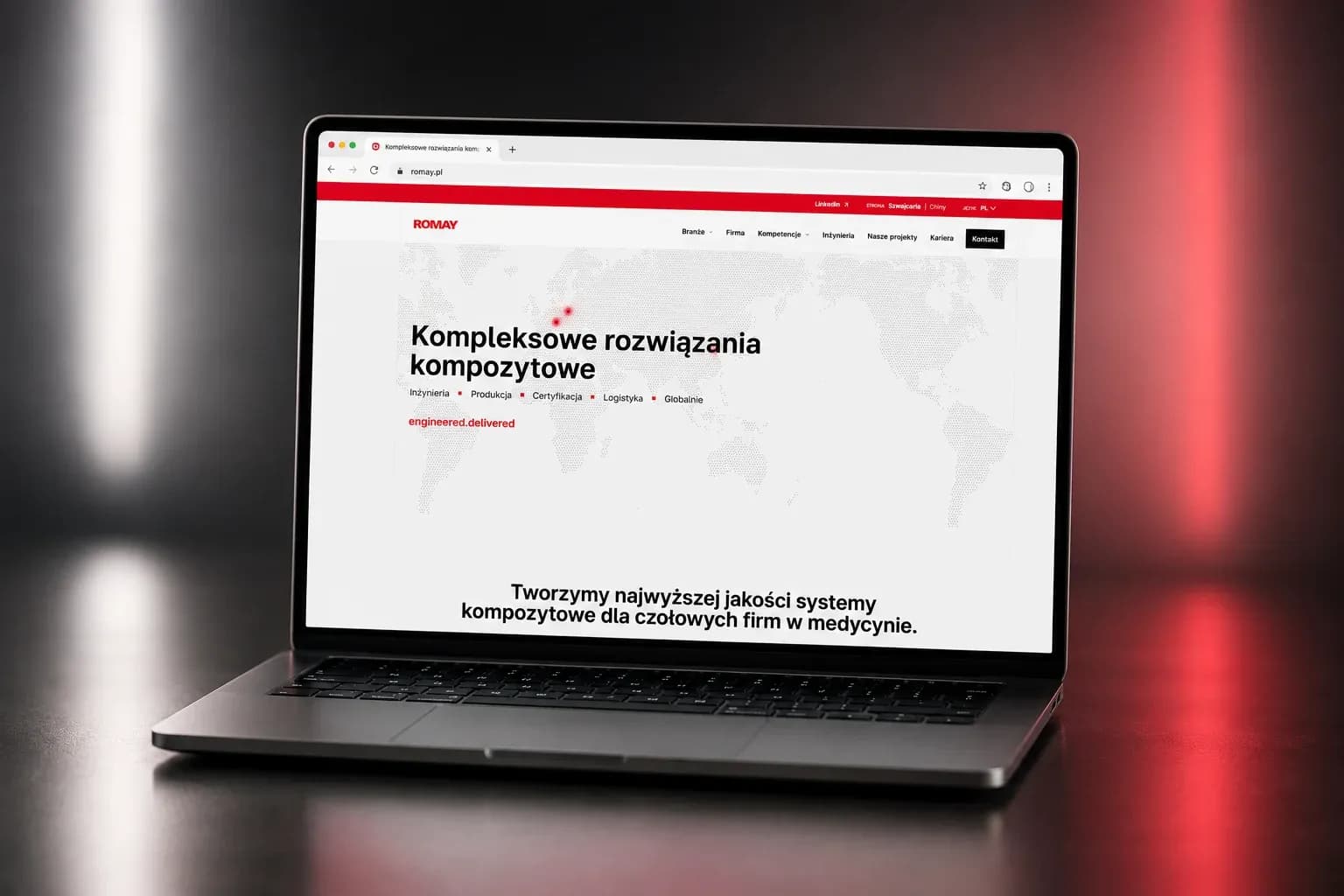
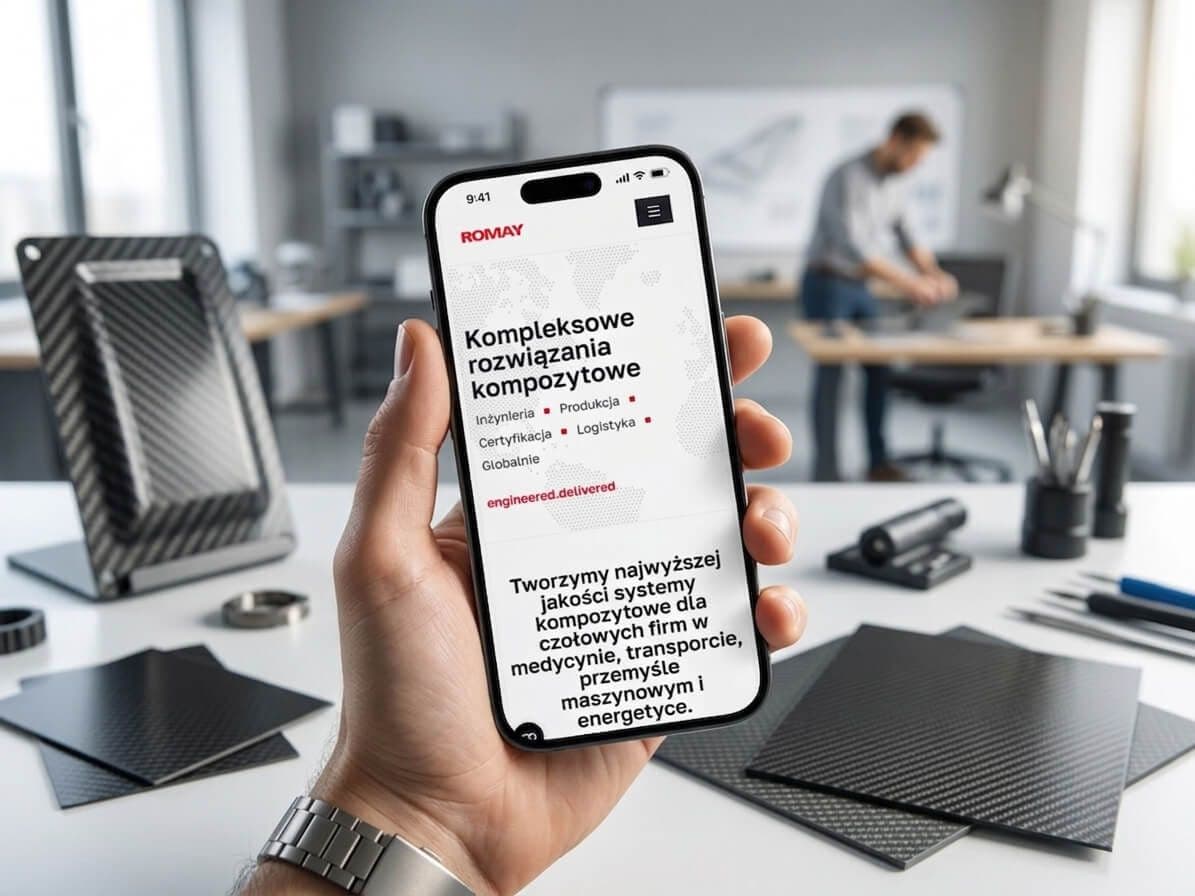
Industrial manufacturers sell through sales reps and distributors, but customers still start with the website: they look for datasheets, certificates and technical data. A website that organizes all this takes work off the sales team — provided the company's own team, not an outside contractor, manages the content behind it. For the Swiss manufacturer Romay AG, we built a platform where four language versions — including Chinese — are run from a single panel. Adding a fifth market then becomes a job for a translator, not an IT project.
Fault reports, inspections and repair history usually live in a notebook or in emails — so nobody knows which machine breaks down every month. A simple system where operators report faults from the shop floor and the maintenance team sees the queue and each machine's history cuts downtime more than many equipment investments. The problem is rarely a lack of people — more often it's a lack of information about what's down and where.
Client: ROMAY AG
Industry: Industrial Manufacturing / Industry 4.0
„We got real attention from the team and a level of flexibility we wouldn't have had with a bigger vendor, and the system they built is starting to pay for itself.”
Michał Molicki — Co-Owner, Grow Creator
Review from ClutchThe basics
Industry 4.0 is above all about data flowing freely between machines, production, the warehouse and business systems. It can start with simple changes: digital production orders, automated reporting, downtime logging or integrating machine data with an ERP or MES.
You don't always need to invest straight away in new sensors and an extensive IoT infrastructure. First, we look at what data the company already has and which processes are worth digitizing first.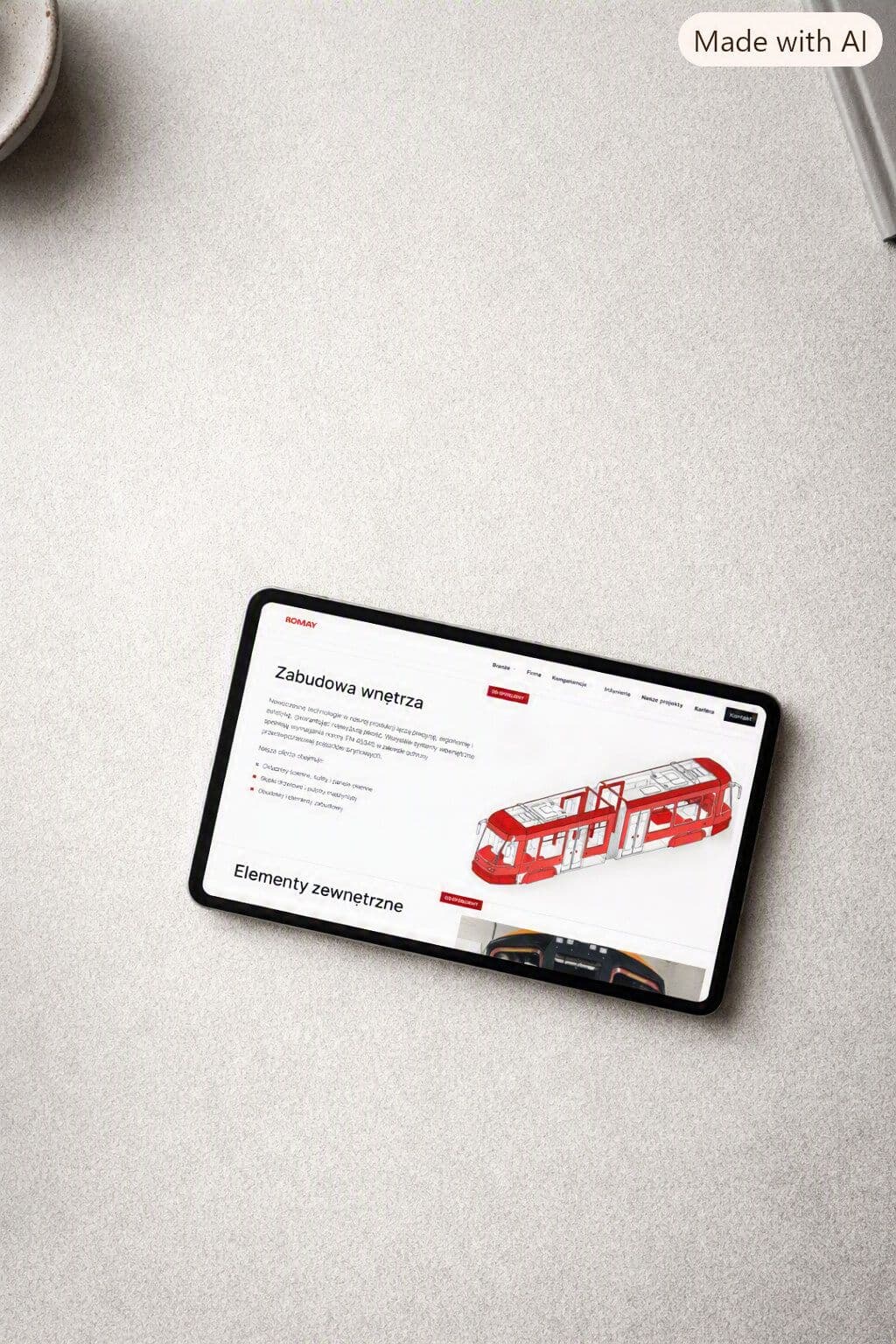
How we work
We start with the real process — not with a list of system features. Together with the people working in production, we look at where information is retyped by hand, where delays occur and which decisions could be based on better data. Then we choose the area where it makes sense to start. That could be production reporting, order handling, downtime logging, quality control or ERP integration.
On your side are access to the shop floor and the people, machine documentation and deciding who reports what and when. On our side are analysis, development, integrations and a rollout that runs in parallel with existing work.
We develop the system in stages, so there's no need to replace the entire IT environment at once.
Decisions
What exactly you want to see. "Machine data" is not a goal. The goal is an answer to a question: how long does a changeover take, where is an order right now, why did the line stand still for forty minutes yesterday. That determines what to measure and where — and whether you need to measure at all.
Who enters the data if not the machine. An operator at a terminal or a shift supervisor at the end of the shift. The first gives you accuracy; the second is more realistic to keep up. That choice determines how reliable the whole system is.
Should scheduling be automatic? Automatic scheduling requires reliable operation times. Without them, the system will produce a plan the shop floor can't deliver — and trust in it will be gone within a week.
What not to do. Don't start by buying sensors. Don't roll out during a large order. And don't leave the shop floor without a paper fallback in case the network goes down — production can't wait for IT.
Scope
Not every company needs to replace its ERP or roll out a large MES. Often a better option is a custom module that complements the existing tools and automates the most problematic part of the process. We connect production, the warehouse, sales and administration with the systems already running in the company.
What we build
Depending on your needs, we can build:
We don't add yet another system without a good reason. Wherever possible, we integrate the new solution with your existing IT environment.
Integrations
Most problems tend to appear where different systems and departments meet. Production data goes into a spreadsheet, then into the ERP, and finally into a report put together by hand. We design integrations that let information recorded once be passed on automatically — with the right validation, change history and access control.
FAQ

We design and develop digital solutions for financial services, insurance and lending companies and FinTech startups. We build online application forms, calculators, customer portals and custom systems, combining good UX with data security and a reliable architecture. We simplify processes that should feel simple to the user — even when complex rules, integrations and business requirements are running underneath.

For developers, real estate agencies, rental operators and PropTech companies, we build systems that bring order to sales, rentals and property data. We build custom CRMs, listing portals, booking systems, customer portals and analytics tools, among other things - integrated with the solutions your team already uses.
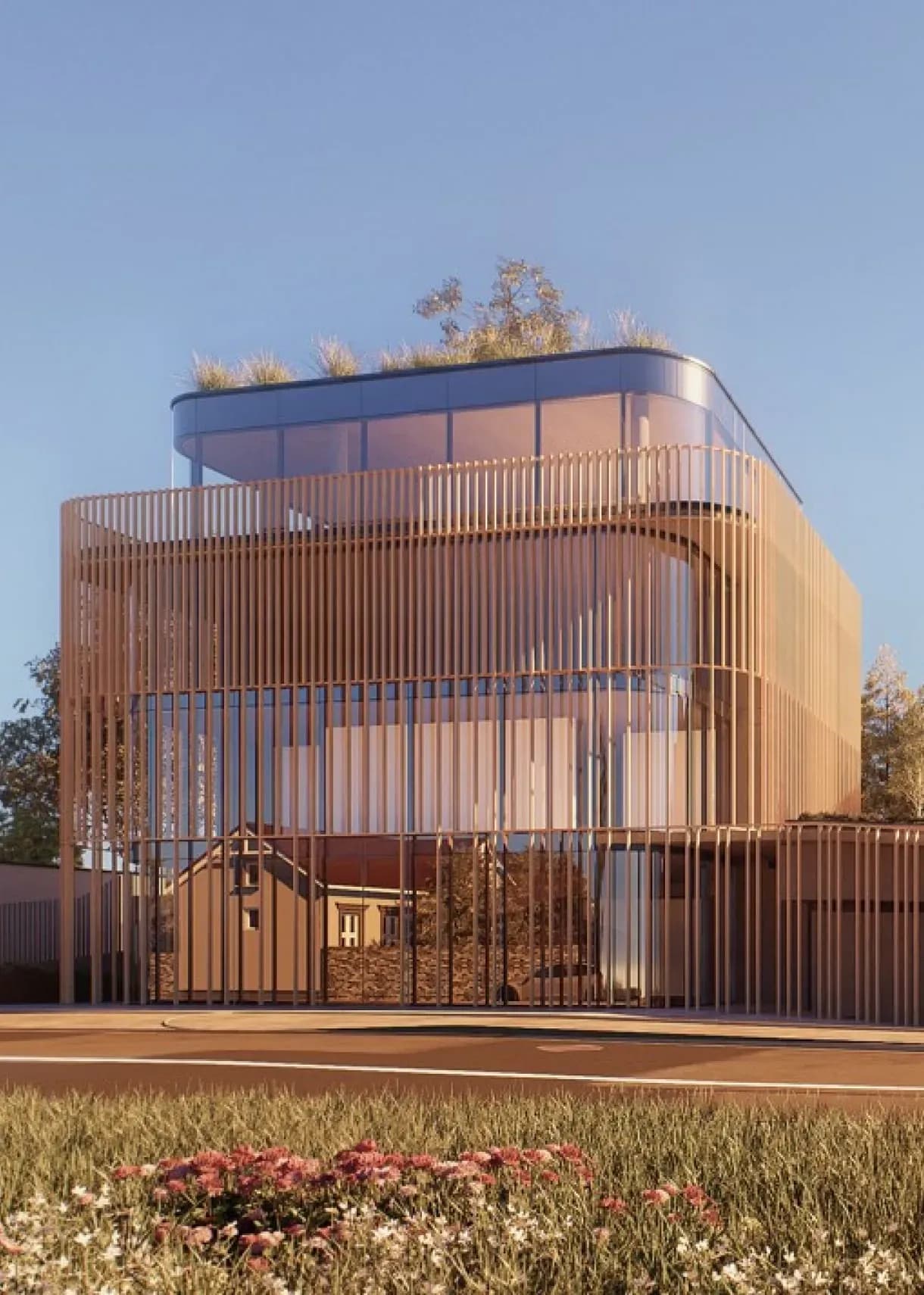
In construction and ConTech, we work with contractors, developers and design firms. We build construction project databases, job management systems and websites that bring order to B2B communication. Digitization arrives later here than elsewhere, so the starting point is often replacing paper and spreadsheets with one coherent system with a change history.

We build e-learning platforms and LMS systems for EdTech startups, universities, training companies and language schools. Here, success is measured by completed courses, not by the length of the feature list — so we start with the learner's journey: the first visit, visible progress and getting back to learning that was interrupted two weeks ago. Payments, group licenses and reports all serve that one goal.

We design websites and custom software for law firms, in-house legal departments and LegalTech companies. We build calculators, qualifying forms, document workflow systems and solutions that make case handling more efficient, among other things. We automate repetitive processes and leave legal judgment to the lawyer.

We work with parts manufacturers and distributors and automotive brands that sell online. We build stores and catalogs where customers get to the right part - by make, model and engine version, by OE number or by replacement. We make sure that expanding into new markets means configuring the existing platform, not building another store from scratch.