



























Booking System / Booking Engine
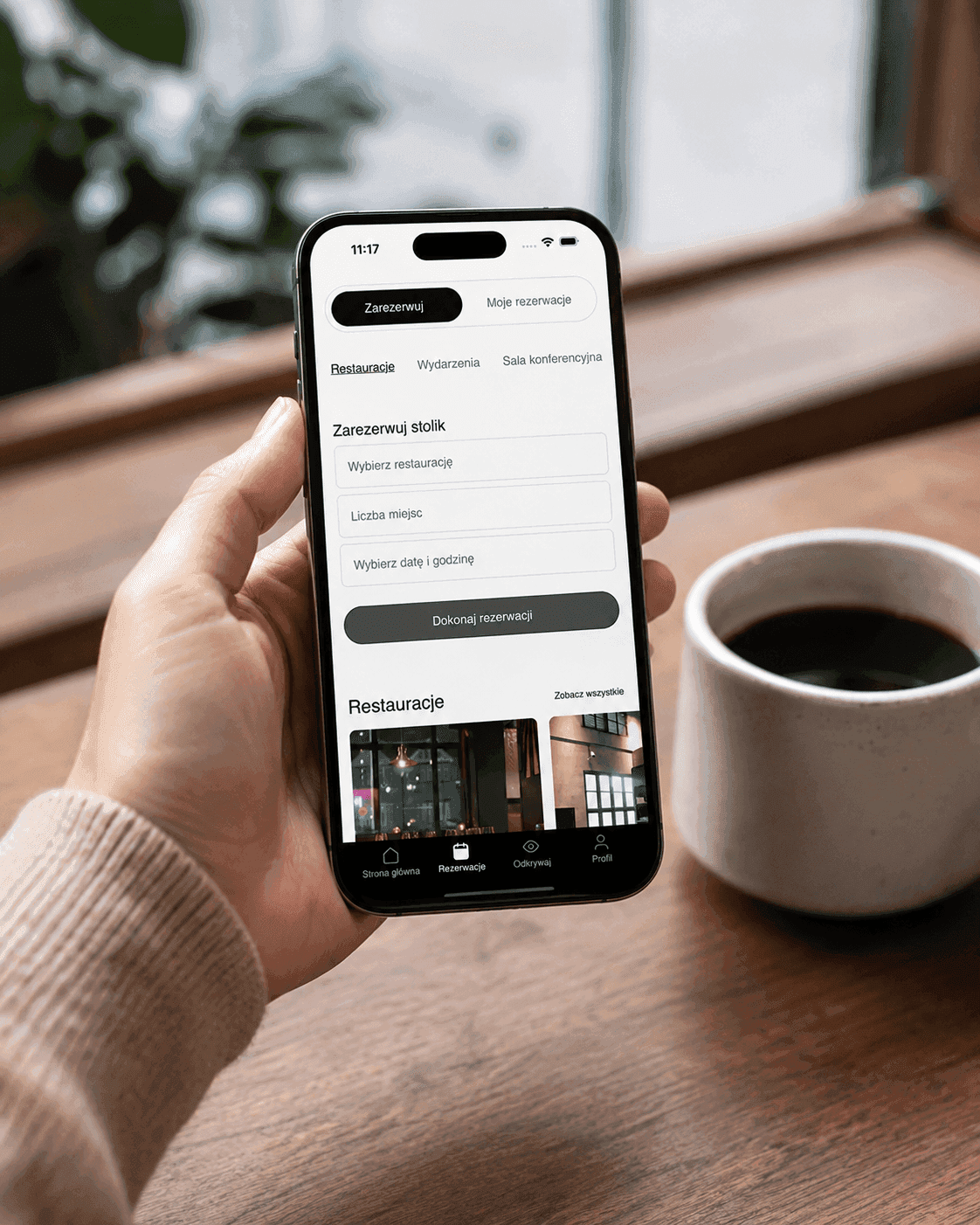
We build booking systems that take a booking, collect payment and handle cancellations without human involvement — for accommodation providers, equipment and space rental, and appointment-based services. We connect bookings with payments, availability calendars, a channel manager and service automation, so customers can check availability, book and pay without contacting staff.
Companies that trusted us
The basics
What a booking system has to do so it doesn't create extra work
A good booking system doesn't just take requests. It keeps track of availability and accounts for service duration, breaks, resources, prices, payments and cancellation rules.
It can also send confirmations and reminders automatically, handle rescheduling and sync calendars. In hospitality, integration with a channel manager also keeps availability up to date across different sales channels.
See the booking systems we delivered for clients
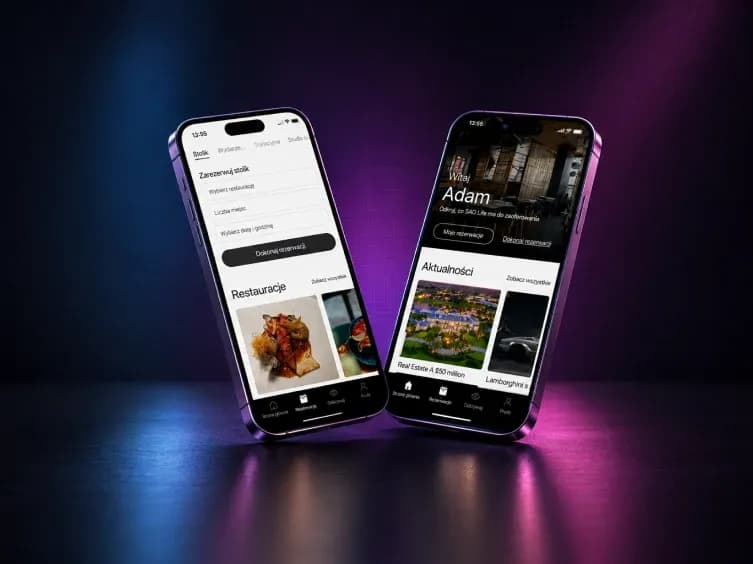
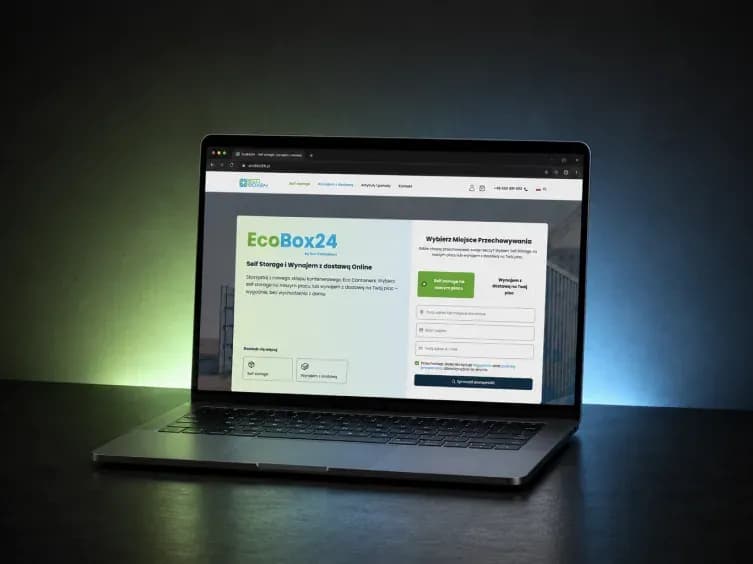
Renting storage in minutes instead of days – automated contracts and payments
Client: Balticon S.A.
Industry: Logistics / LogTech
„The product meets all of our requirements. Analyses are produced faster and more accurately, and data is collected automatically — we've saved a huge amount of time.”
Michał Szpin — CEO, Pure Alpha Investments
Review from Clutch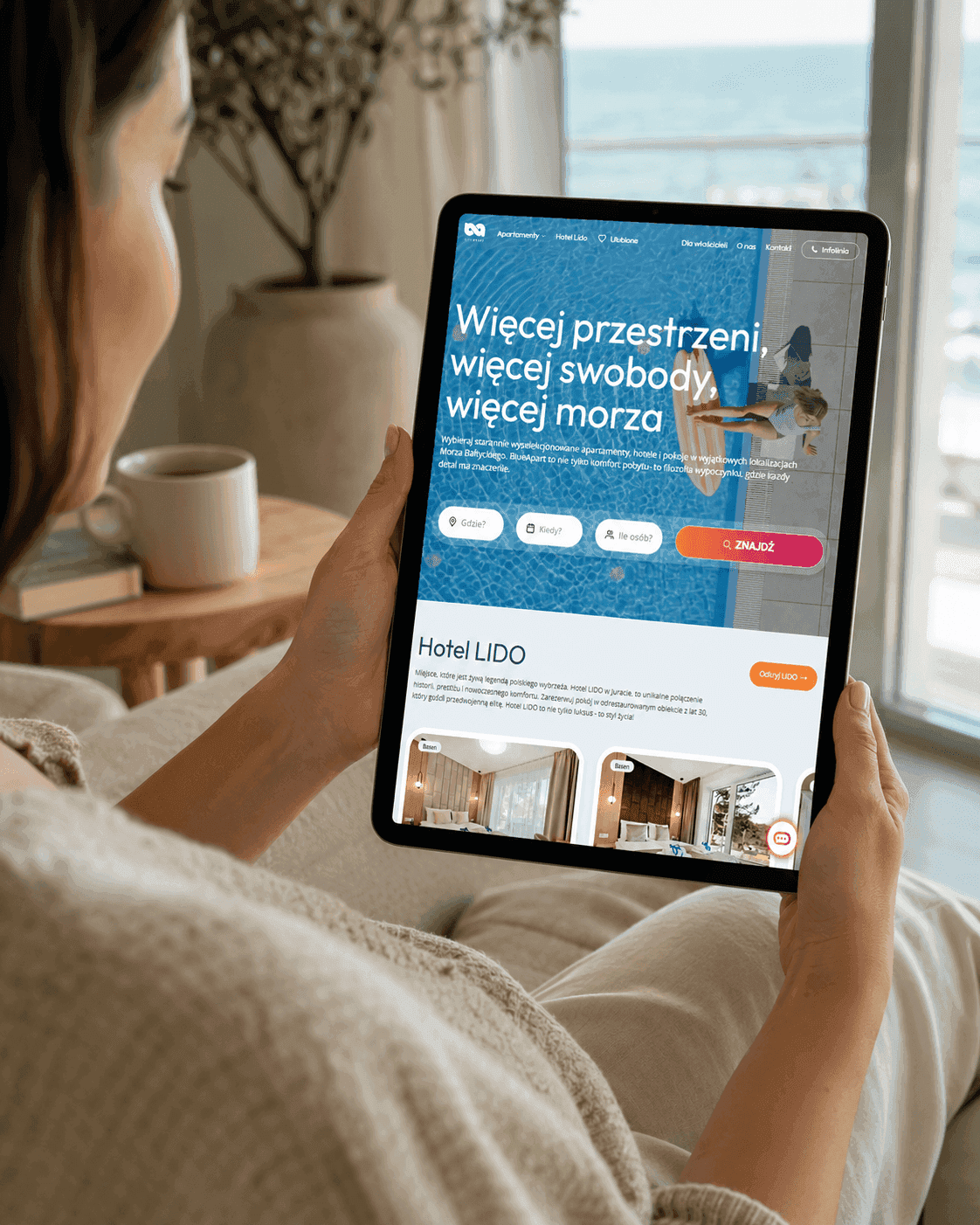
How we work
What implementing a booking system looks like
We start with the rules: what counts as a resource, how long a service takes, what breaks there are, who can take which job, how cancellations work and whether you take a deposit. This set of rules is the real substance of the project — the interface follows from it. Then we build or configure the system, connect payments and the team's calendars and, for accommodation providers, the booking channels. Before launch, we run through the full cycle: booking, rescheduling, cancellation, deposit refund.
On your side are the rules and price list, accounts in booking channels and the decision on your cancellation policy. On our side are implementation, integrations and testing.
The timeline depends on the number of resources and how complex the availability rules are. One service and one calendar takes days; a dozen or so services, several staff members and dependencies between them is a completely different project.
Decisions
Decisions that determine whether the phone rings less
Automatic or manual confirmation. Automatic confirmation takes work off your plate, but it requires complete availability rules — otherwise the system will accept a booking that can't be fulfilled. Manual confirmation is safe, but it leaves the work where it was.
Deposit or no deposit. A deposit clearly reduces no-shows — and it clearly reduces the number of bookings too. It's a business decision, but it requires payments to be connected in advance and clear refund rules.
How far ahead, and what cancellation window. A booking window that's too short leaves gaps in the schedule; one that's too long makes planning harder. This is the setting that changes most often later, so it should be easy to change without a developer.
What not to do. Don't launch without testing cancellations and refunds. Don't take bookings in the system and in a paper notebook at the same time. And for accommodation, don't leave channels unsynced — a double booking costs more than a channel manager.
Scope
What can a custom booking system include?
Depending on your needs, the system can handle:
- online bookings and an availability calendar,
- payments and deposits,
- automatic confirmations and reminders,
- rescheduling and cancellations,
- sync with calendars and a channel manager,
- dynamic pricing and availability rules,
- an admin panel and reporting,
- integrations with CRM, ERP or other systems.
We design the booking logic so the system correctly handles simultaneous attempts to book the same slot, price changes and different cancellation and refund rules.
Availability and pricing
One calendar, up-to-date availability
A booking system should rely on a single, up-to-date source of availability information. Syncing dates reduces the risk of conflicts and situations where the same resource is booked in two places. The system can also handle seasonal pricing, minimum length of stay, last-minute offers and custom cancellation rules.
For BlueApart, automation also covers confirmations, arrival instructions and guest communication, so the team can focus on situations that need a personal touch.
Direct booking
Less commission, more of your own sales
Booking portals provide reach, and that's their real value. The cost is commission charged on turnover, so the annual total can come as a surprise even to operators who know the rate by heart. It's worth calculating it once, on an annual basis, and comparing it with the cost of your own booking engine — that's the only credible justification for the investment.
A direct channel doesn't replace the portals; it shifts part of the traffic to where the margin stays with you. We build it with three things at once: a short booking path with online payment and instant confirmation, search visibility — for BlueApart, work on organic traffic delivered double-digit growth — and automation that brings returning guests back directly instead of handing them to a portal a second time.
We measure the system by one number: how many bookings go from landing on the website to a confirmed payment.
Related services

Web Development
We design and build custom web applications - from an MVP that lets you quickly validate an idea to large platforms and systems developed over years. We build both the front end and the backend, APIs, databases, admin panels and integrations with external systems. We work with Next.js, React, Node.js, NestJS, Python, PostgreSQL and MongoDB, among others. We create solutions tailored to a specific business process: SaaS applications, internal systems, sales platforms, websites, marketplaces and CMS systems.
Learn moreSEO / GEO
We help increase website visibility in Google and in AI-generated answers. We combine technical SEO, content optimization and work on the site structure. We start with an audit and turn the most important recommendations into concrete changes in the code.
Learn moreE-commerce
We design and build online stores and e-commerce platforms tailored to your sales model and business processes. We work with off-the-shelf solutions as well as headless architecture and custom sales systems. We build e-commerce for B2C and B2B sales, large product catalogs, multiple markets and marketplaces. We integrate stores with ERP, WMS, CRM, PIM, payments and logistics, and design product configurators and custom purchase flows. We also take care of performance, technical SEO and preparing the platform for seasonal traffic peaks.
Learn moreUX/UI Design
We design UX/UI for web and mobile applications and B2B systems - from analyzing user needs and early wireframes to the finished interface and a design system in Figma. We don't design screens in isolation from the product. We look at user journeys, analytics data and technical constraints to create a solution that's easy to use and can be built efficiently. After the product launches, we can come back to heatmaps, session recordings, analytics and user interviews, so that the next changes are driven by data, not assumptions.
Learn moreFAQ
Questions we hear before implementing a booking system
- An off-the-shelf system offers a defined set of features and processes. A custom booking system is designed for a specific business model, availability rules, payment structure and integrations. That matters especially when standard tools don't cover all the business's needs.
- The cost depends on the scope of features, the number of booking types, availability rules and the integrations required. Key factors include payment processing, multiple resources, dynamic pricing, channel manager support and external system connections.
- The timeline depends on the complexity of the process. A simple system with one booking type will be much faster to implement than a platform handling multiple services, locations, users and integrations. We define the scope and schedule after a requirements analysis.
- The system can connect with online payment providers, calendars, a channel manager, CRM, ERP, mailing systems and other services that provide an API.
- Yes. A booking can be linked to full payment, a deposit or another billing model. The system can also handle cancellation and refund policies.
- Yes. Depending on the solution, a booking system can be part of an existing website, a standalone application or a module integrated with other company systems.
- Yes — directly or through a channel manager, depending on how many portals you use and their technical requirements. The rule is simple: the availability calendar must be a single source of truth, regardless of how many channels are selling. We agree on the integration scope after checking the API terms of each portal.
- Yes. Balticon books storage space, not rooms, and the mechanics are the same: a resource, availability over time, a price based on parameters, a contract and payment. The differences lie in the process details, so at the start we establish exactly what the bookable resource is and what events can change its availability.
- Usually yes, but the rules define the project scope, so we write them down at the very beginning. The most common pitfalls are resources that can be booked in several ways at once, and exceptions entered manually by staff. Both need to be anticipated before the system goes live.